
Service
Landscape Design in Mooresville, NC
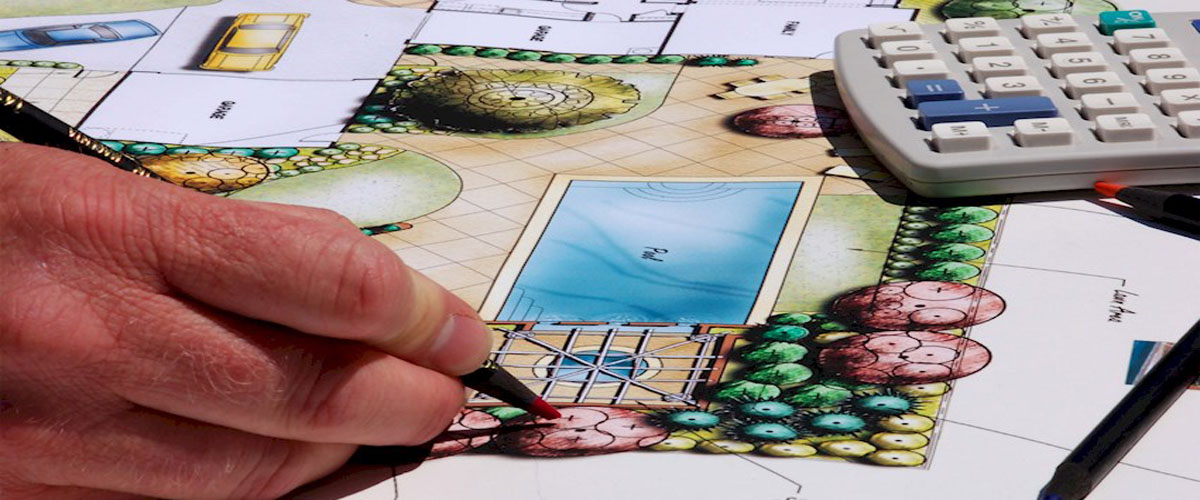
We help you plan outdoor living spaces and install landscaping you'll enjoy for years to come — designing and performing each step with care while building around your ideas.
What's included
- Landscape planning & design
- Planting & installation
- Bed maintenance
- Mulch & pine straw
- Landscape lighting
Landscape design and planting in Mooresville, NC
We design and install planting schemes, beds, borders, sod, mulch and drainage for properties around Mooresville, Cornelius, Davidson, Huntersville, Denver and the Lake Norman area — from replanting a tired front garden to laying out a whole property after a build.
Design here starts with two site conditions rather than a plant list: how the ground drains, and how the sun tracks across it. Piedmont clay is slow to drain, so a bed that sits at the bottom of a slope will hold water no matter what is planted in it, and the answer is grading or drainage rather than a hardier shrub. Meanwhile the mature hardwoods that make these neighbourhoods attractive throw deep shade that moves through the day and changes completely between May and November.
Plants chosen for those conditions look after themselves; plants chosen from a photograph need constant intervention. Species adapted to the Southeast — and natives in particular — get through a Carolina August without daily watering, feed the pollinators the vegetable garden needs, and stop being a maintenance line item after their first year.
Sod, seed and beds
Sod gives an instant lawn and is the right call for slopes at risk of washing, for a bare site after construction, or when a property is going on the market. Seed costs less and establishes a deeper root system, but it needs a season and consistent watering to get there. Which is right depends on the timing and the site, and we will tell you when the cheaper option is the better one.
Drainage before planting
Where water sits after a storm is the single most useful thing to know before choosing anything. On clay, a low corner can hold water for days, and that kills more residential planting around here than cold or drought ever does. Correcting grade, adding a drain line or building the bed up are all cheaper done before planting than after a scheme has failed and been replaced.
Common questions
When is the best time to plant in North Carolina?
Autumn, for most trees and shrubs. Roots establish through a mild winter while the plant is not carrying leaves, so it faces its first summer already anchored. Spring planting works but needs far more watering through the first season.
Sod or seed?
Sod for an instant lawn, for slopes that would wash, or when timing matters. Seed for a deeper root system at lower cost, if you can give it a season and consistent water. Site and timing decide it.
Why do plants keep dying in the same spot?
Almost always drainage. Piedmont clay holds water, and a low spot can stay saturated for days after a storm — that drowns roots. Replacing the plant repeats the failure; correcting the grade or drainage fixes it.
Do you use native plants?
Where they suit the site, yes. Species adapted to the Southeast handle August here without constant watering and support local pollinators, which usually means less maintenance and a better-looking garden by year two.
Which towns do you design for?
Mooresville, Cornelius, Davidson, Huntersville, Denver, Mount Mourne, Troutman, Statesville, Sherrills Ford and Terrell — Iredell, Mecklenburg, Lincoln and Catawba counties.